Description
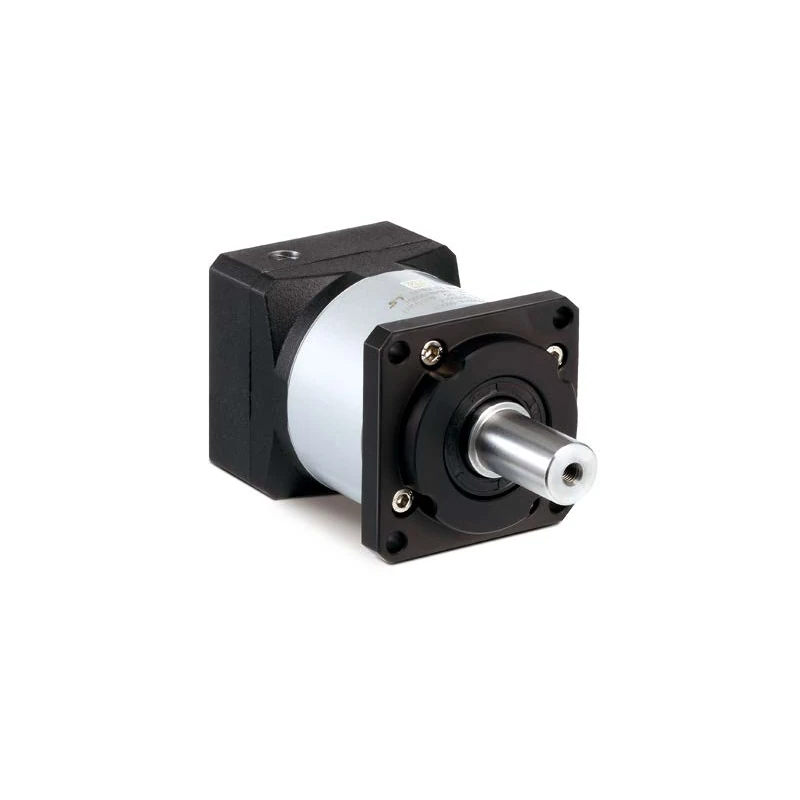
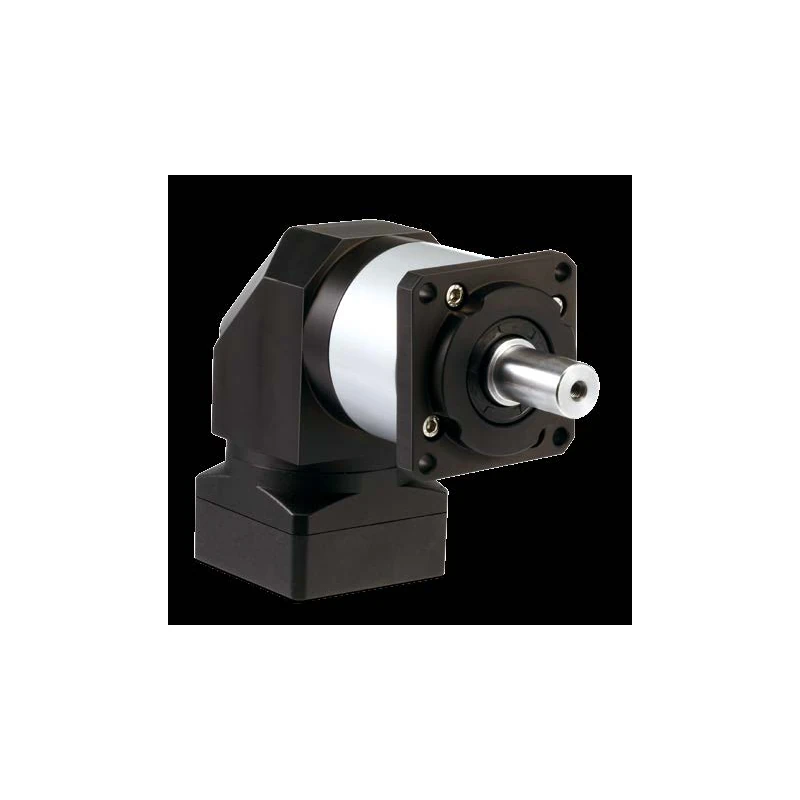
Right-angle planetary gearbox family for compact layouts where motor and output axes must turn through 90 degrees.
Construction and engineering scope
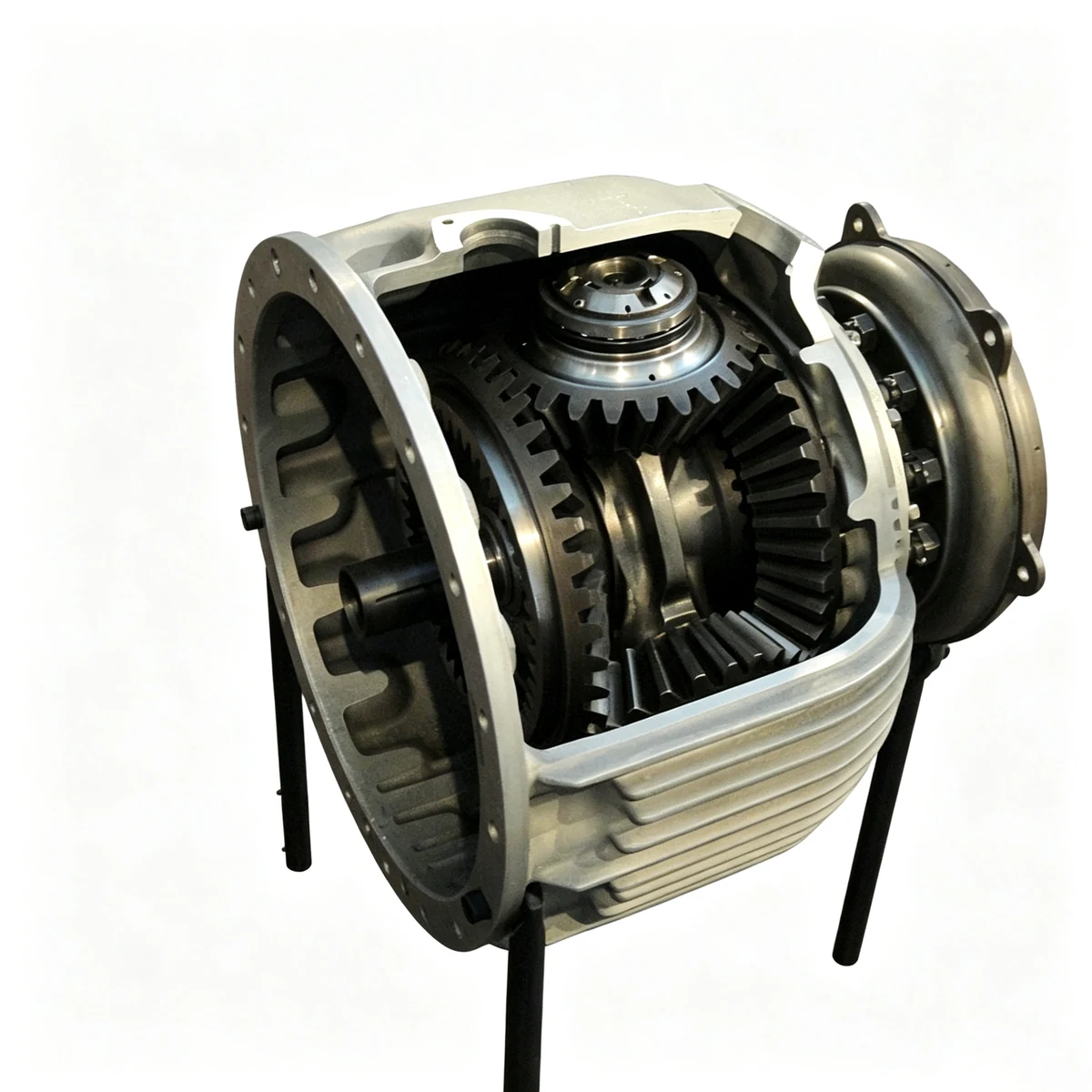
A right-angle input stage feeds a precision planetary reduction section. Selection must consider both the angular input stage and planetary output loads.
Additional engineering views
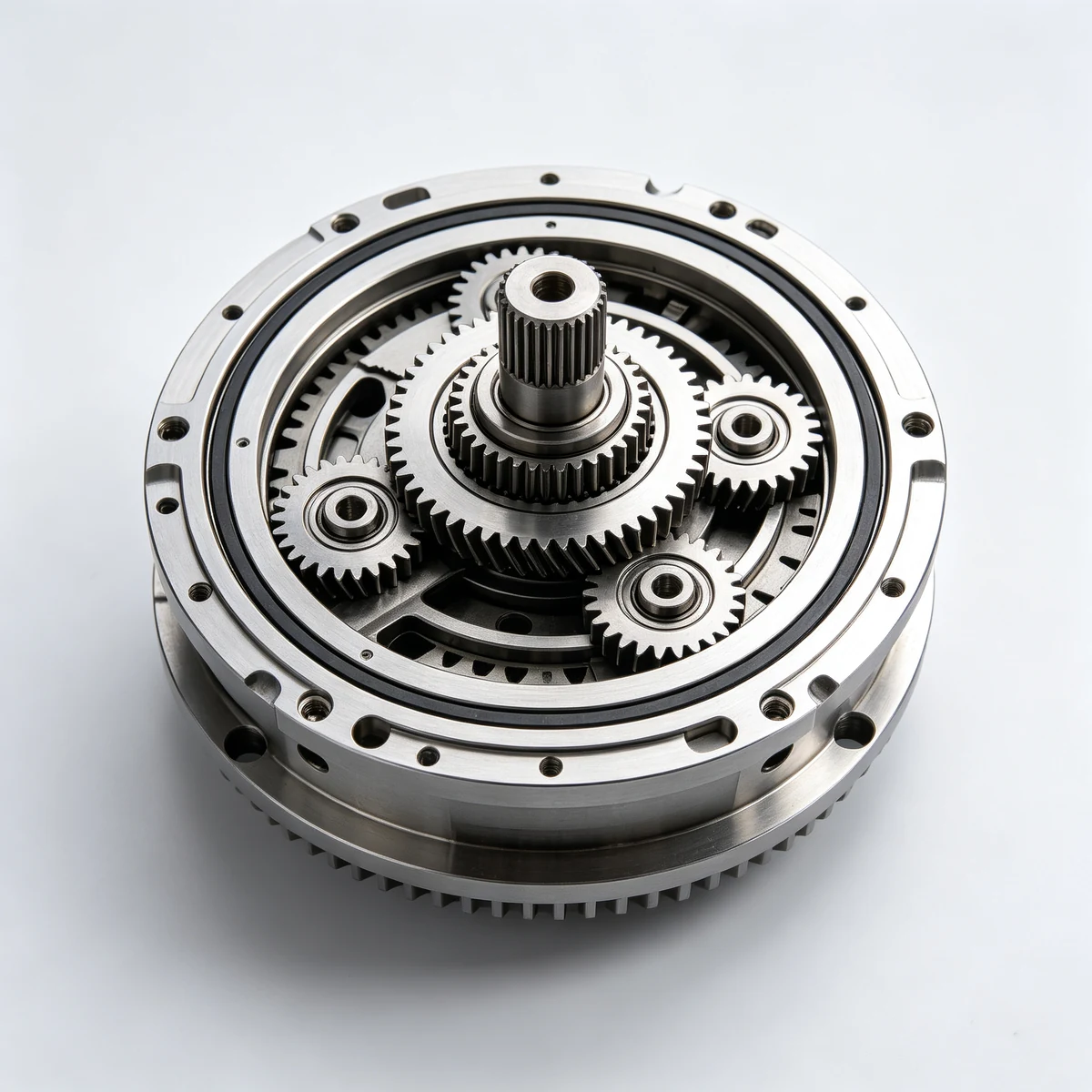
Technical parameters
| Architecture | right-angle precision planetary |
|---|---|
| Ratio coverage | 3:1 to 200:1 family range depending on stage |
| Backlash classes | P0 / P1 / P2 selections |
| Efficiency | high-efficiency planetary stages; confirm configuration |
| Protection | IP65 family construction |
| Output | shaft and interface variants by frame |
Values shown are transcribed from the normalized internal planetary gearbox catalogue data for the referenced family. Final selection must be checked against the approved model and motor interface.
Applications and selection
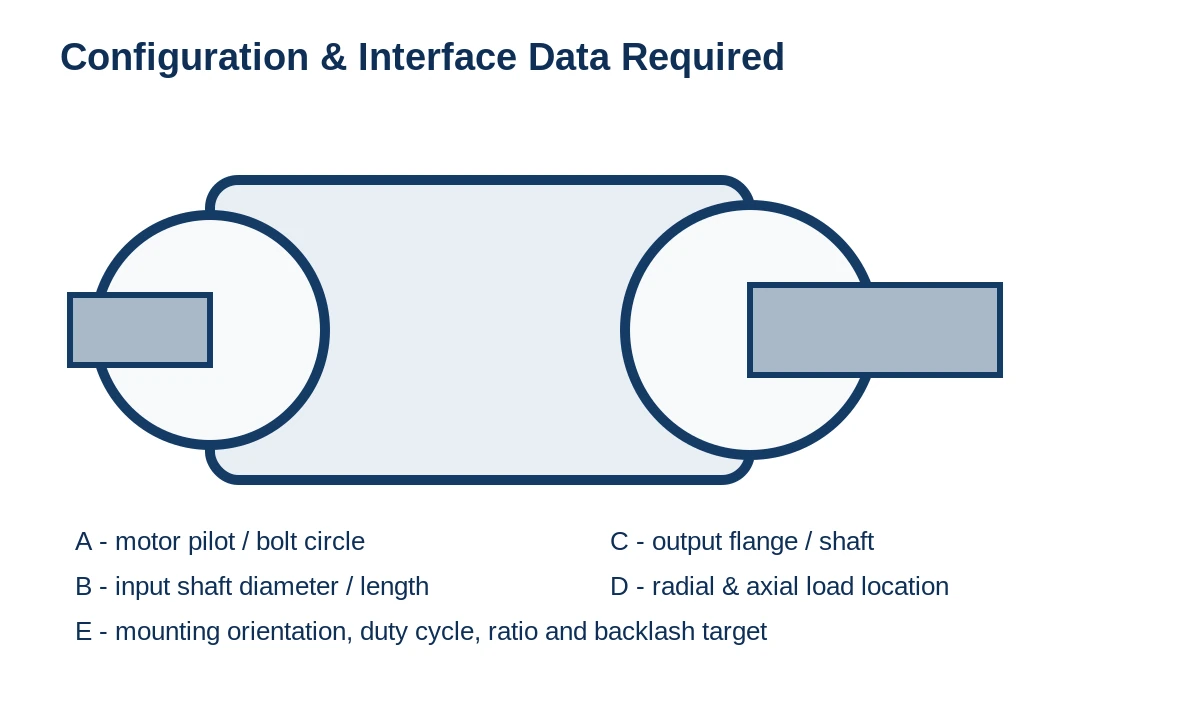
Confirm ratio, motor model, mounting orientation, continuous/peak torque, radial/axial load and allowable backlash.
Customization options
Engineering review can cover tooth count and ratio, spur or helical geometry, material and heat treatment, motor or shaft interface, output flange or spline, bearing arrangement, lubrication, sealing, backlash class and inspection documentation. Features are confirmed against the approved drawing rather than assumed from a similar model.
Installation and maintenance
Check shaft alignment, pilot fit, fastener grade and tightening method before commissioning. Do not exceed the confirmed continuous or peak torque, radial load, axial load or input speed. For replacement work, verify the mounting drawing and output interface before ordering.
Quality and inspection
Inspection planning can include material traceability, hardness, tooth geometry, runout, dimensional inspection and assembly checks according to the RFQ and approved quality plan. Ask for the required inspection level before quotation.
FAQ
Can you manufacture from a drawing or sample?
Yes, the engineering review can start from a drawing, sample, tooth data or a complete gearbox identification. Final feasibility is confirmed after dimensional and material review.
What information is needed for a replacement?
Send model or nameplate, quantity, ratio, motor or input speed, output torque or duty, shaft/flange dimensions, mounting drawing and clear photos. For individual gears, add tooth count, module or DP, pressure angle, face width and material/heat-treatment requirements if known.