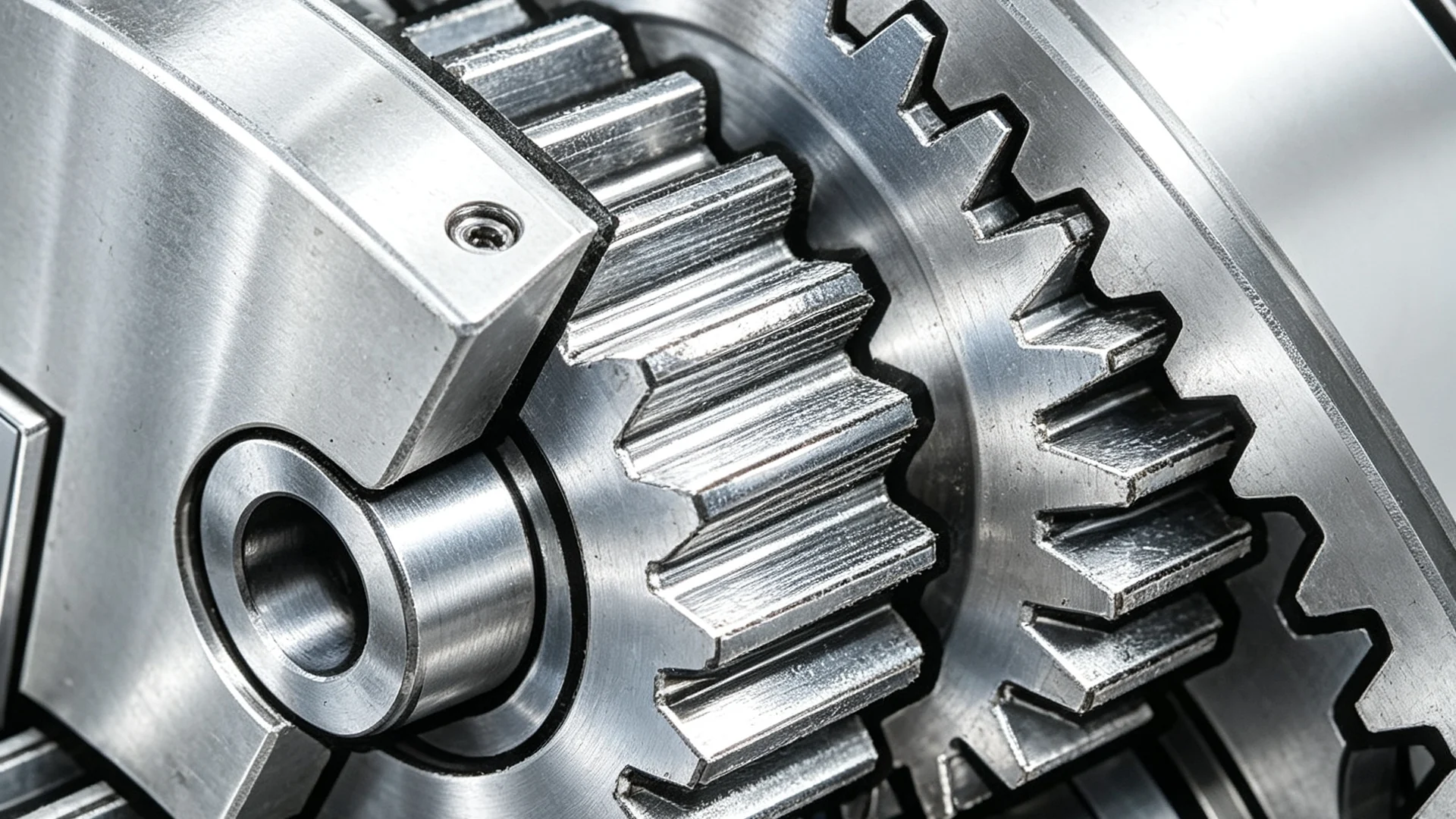
Planetary Drives • Epicyclic Gearing • Gear Components
Planetary Gearing Built Around The Duty
Industrial planetary gearboxes, mobile final drives, precision servo reducers, and drawing-controlled planetary gear components for OEM and replacement projects.
Product Series
Choose by application architecture first: stationary industrial reduction, mobile travel or wheel drive, slewing motion, precision servo control, or custom gear components.
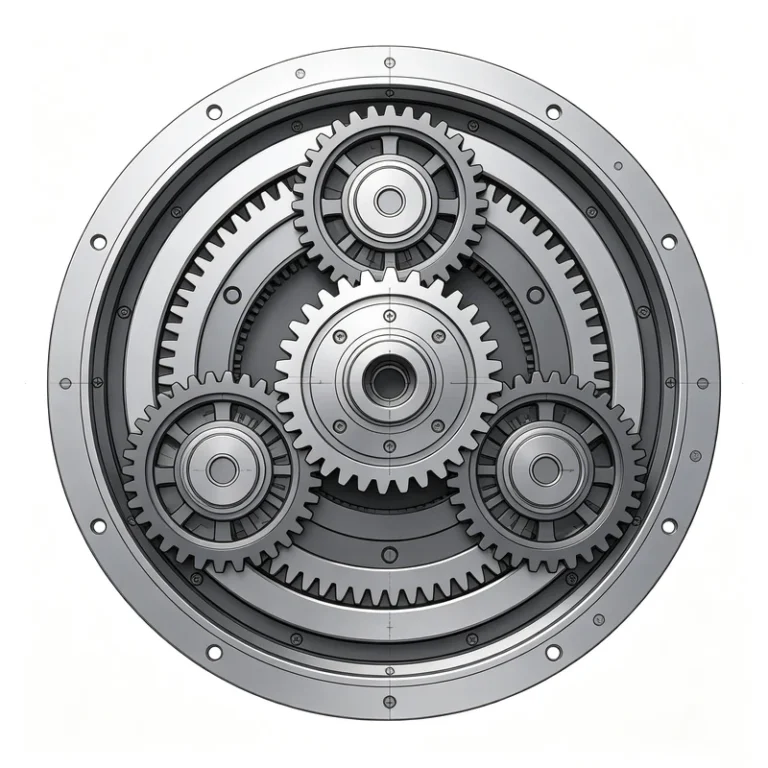
Custom Epicyclic Gearbox Engineering
Application-led custom epicyclic gearbox engineering for non-standard ratio, envelope, mounting, interface, or duty requirements.
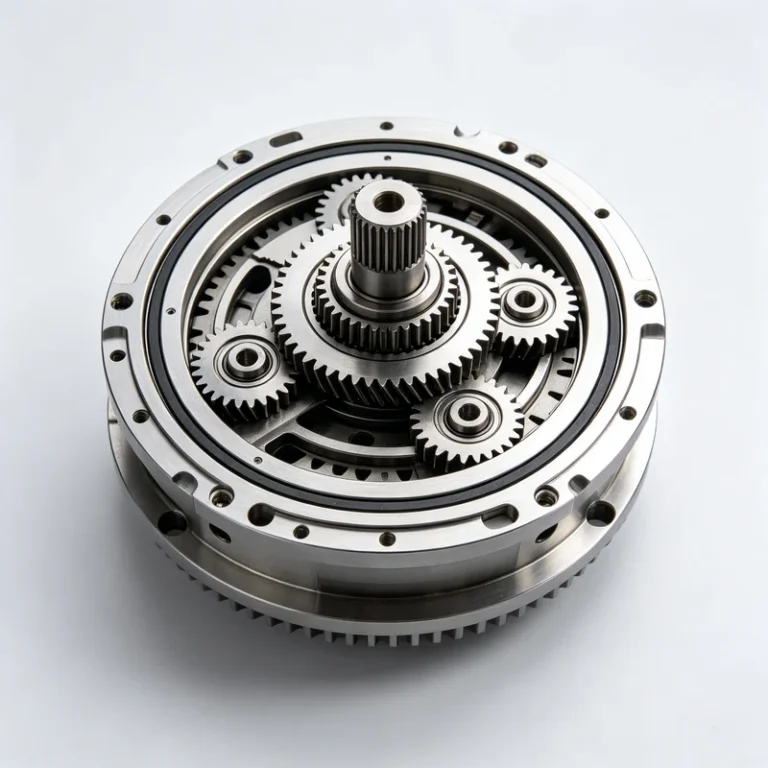
EP300 Modular Planetary Drives
Modular industrial planetary drives with catalogue reference-torque classes from 1,000 to 105,000 N·m and duty-based selection.
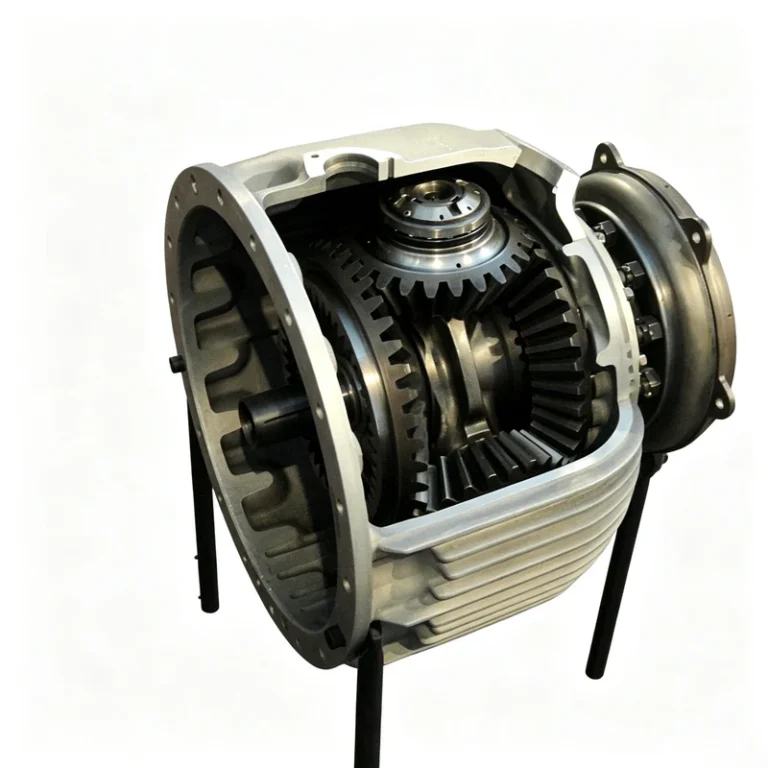
EP400 Planetary Track Drives
Planetary track-drive family for hydraulic final-drive applications, published at 1,000–220,000 N·m and ratios from 5.3 to 365.

EP600 Planetary Wheel Drives
Compact planetary wheel-drive family with published 1,750–60,000 N·m output torque and 5.8–160 ratio range.
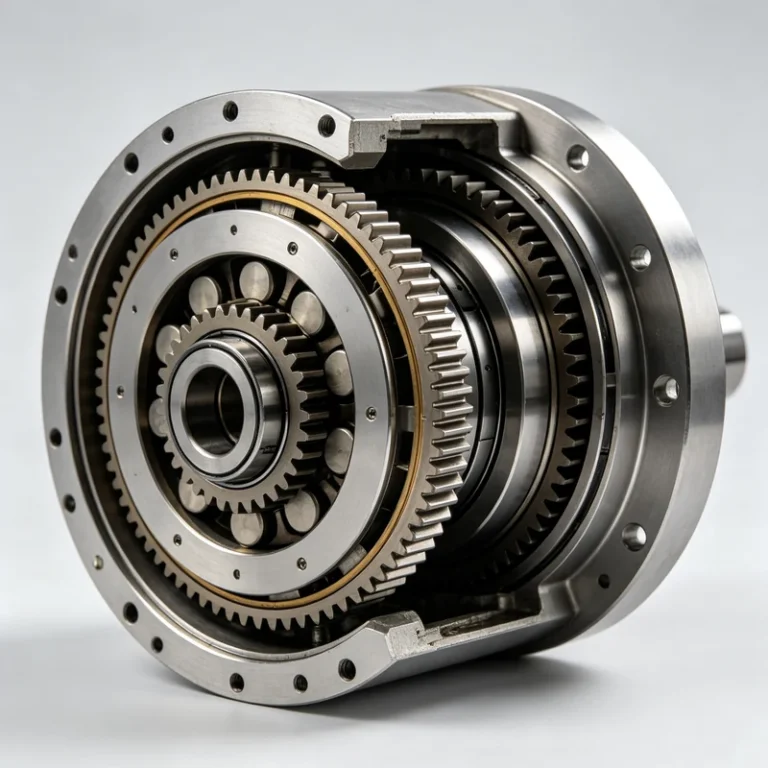
EP700 Planetary Slewing Drives
Planetary slewing-drive family with documented output options, braking choices, and published family torque to 80,000 N·m.
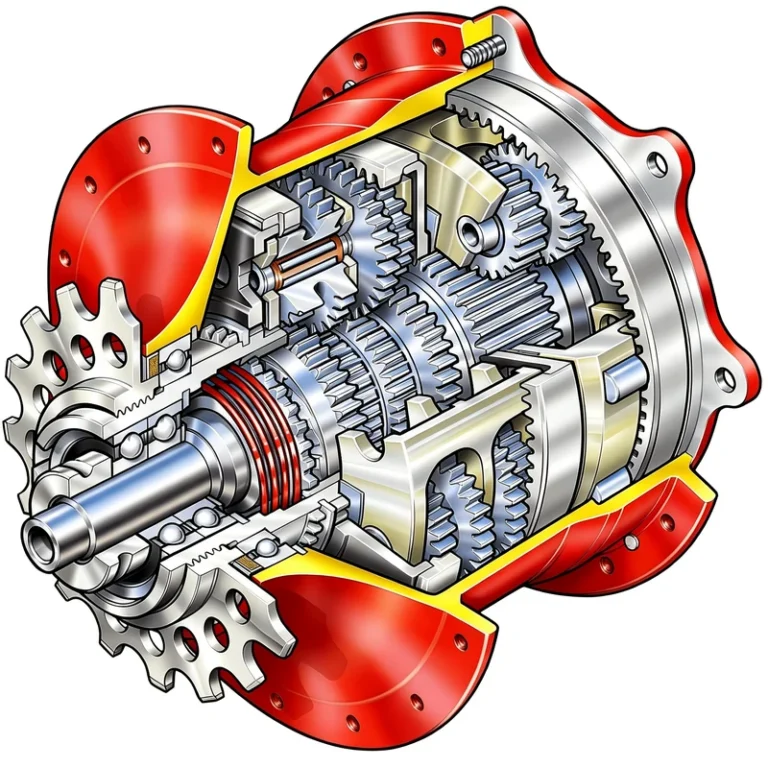
EPP Industrial Planetary Gearboxes
Heavy industrial planetary gearbox family with published power to 12,934 kW, ratios to 4,000, and output torque to 2,600 kN·m.
Why Planetary Drives
Planetary gearing uses a central sun gear, multiple planets, a ring gear, and a carrier to distribute power through several meshes. That geometry can deliver high torque density in a concentric package while supporting a wide range of ratios and output arrangements.
- High torque density for constrained envelopes
- Coaxial, parallel, and right-angle architectures
- Scalable from precision motion to heavy process duty
- Dedicated travel, wheel, and slew support arrangements
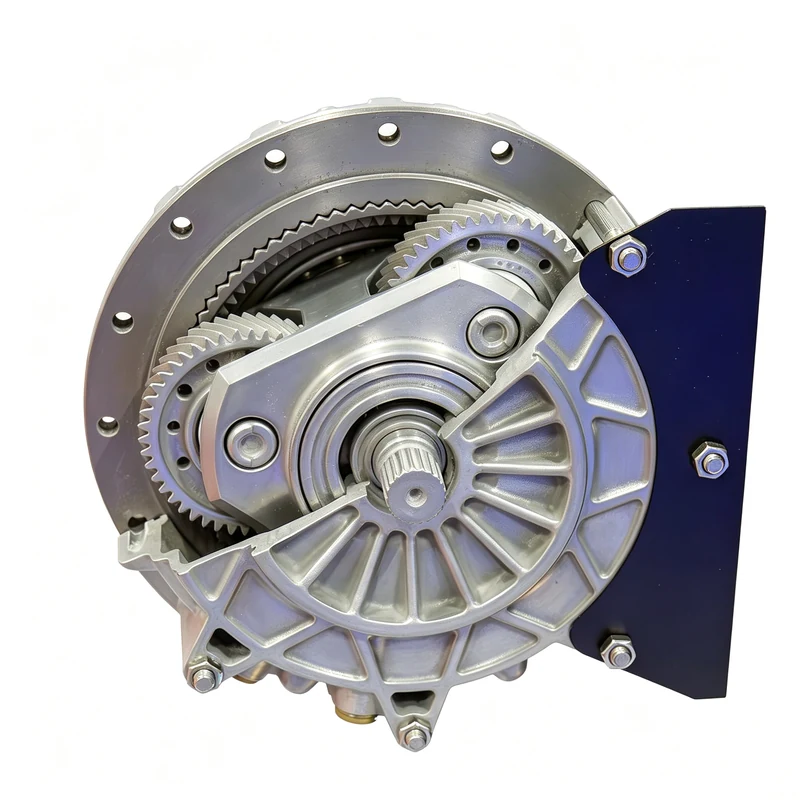
Application Areas
Heavy-Duty Planetary Drives
Engineering-oriented catalogue group for Heavy-Duty Planetary Drives.
View Related ProductsHigh-Rigidity Planetary Gearboxes
Engineering-oriented catalogue group for High-Rigidity Planetary Gearboxes.
View Related ProductsMobile Drives
Explore documented planetary-drive configurations and prepare duty data for engineering selection.
View Related ProductsPlanetary Drives
Explore documented planetary-drive configurations and prepare duty data for engineering selection.
View Related ProductsPlanetary Gear Components
Engineering-oriented catalogue group for Planetary Gear Components.
View Related ProductsPlanetary Gear Parts & Accessories
Engineering-oriented catalogue group for Planetary Gear Parts & Accessories.
View Related ProductsPlanetary Gear Sets
Engineering-oriented catalogue group for Planetary Gear Sets.
View Related ProductsPlanetary Gears & Components
Explore documented planetary-drive configurations and prepare duty data for engineering selection.
View Related ProductsPrecision Planetary Gearboxes
Explore documented planetary-drive configurations and prepare duty data for engineering selection.
View Related ProductsOperating Principle
Input
Power enters through a sun gear, ring gear, or carrier depending on the architecture.
Load Sharing
Multiple planet meshes distribute torque around the central axis.
Reaction
One member is fixed or controlled to establish the kinematic relationship.
Output
The remaining member delivers the required speed and torque.
Customization Options
Input Integration
IEC motor adaptors, hydraulic-motor interfaces, keyed inputs, and application-specific connections.
Output Geometry
Solid shafts, splines, hollow shafts, shrink-disc arrangements, flanges, and integral pinions where supported.
Duty Package
Brake, valve, lubrication, cooling, sealing, mounting, and inspection scope defined from the application.
Key Parameter Range
| Family | Published / Documented Envelope | Best Starting Point |
|---|---|---|
| EP300 | Reference torque classes 1,000–105,000 N·m | General modular industrial drives |
| EP400 | 1,000–220,000 N·m; i 5.3–365 | Tracked final drives |
| EP600 | 1,750–60,000 N·m; i 5.8–160 | Wheel and drum drives |
| EP700 | Family to 80,000 N·m; ratios into multi-stage range | Slewing and rotating structures |
| EPP | 0.4–12,934 kW; i 25–4,000; to 2,600 kN·m | Heavy industrial process drives |
| PAB/PABR/PPG | 9–2,000 N·m family ranges; published backlash classes | Servo and precision motion |
Ranges above come from connected Ever-Power catalogues and current official Ever-Power product pages. Each model and ratio has its own limits; final selection requires engineering review.
Selection Guide
- Define the motion: input speed/power, output speed/torque, peak events.
- Classify the duty: hours, starts, reversals, shock, holding, lifecycle.
- Freeze the interface: motor, shaft, spline, flange, mounting, external loads.
- Check the environment: temperature, dust, moisture, corrosion, washdown.
- Verify thermal and life margins: especially for continuous or high-speed duty.
- Approve the drawing: dimensions and configuration before production.
Engineering Support
Presales
Translate machine duty into a complete selection data set.
Technical Review
Check torque, ratio, speed, service factor, interfaces, and environment.
Custom Design
Review non-standard gear sets, carriers, shafts, and gearbox packaging.
After-Sales
Support installation questions, replacement identification, and failure-data collection.
Prepare Your RFQ
Share ratio, input speed and power, required output torque, duty cycle, mounting space, shaft or flange interface, environment, quantity, and any drawing or existing gearbox reference. Our engineering team will review the configuration before quotation.